

Gateways to the Sea and Engines of Coastal Life
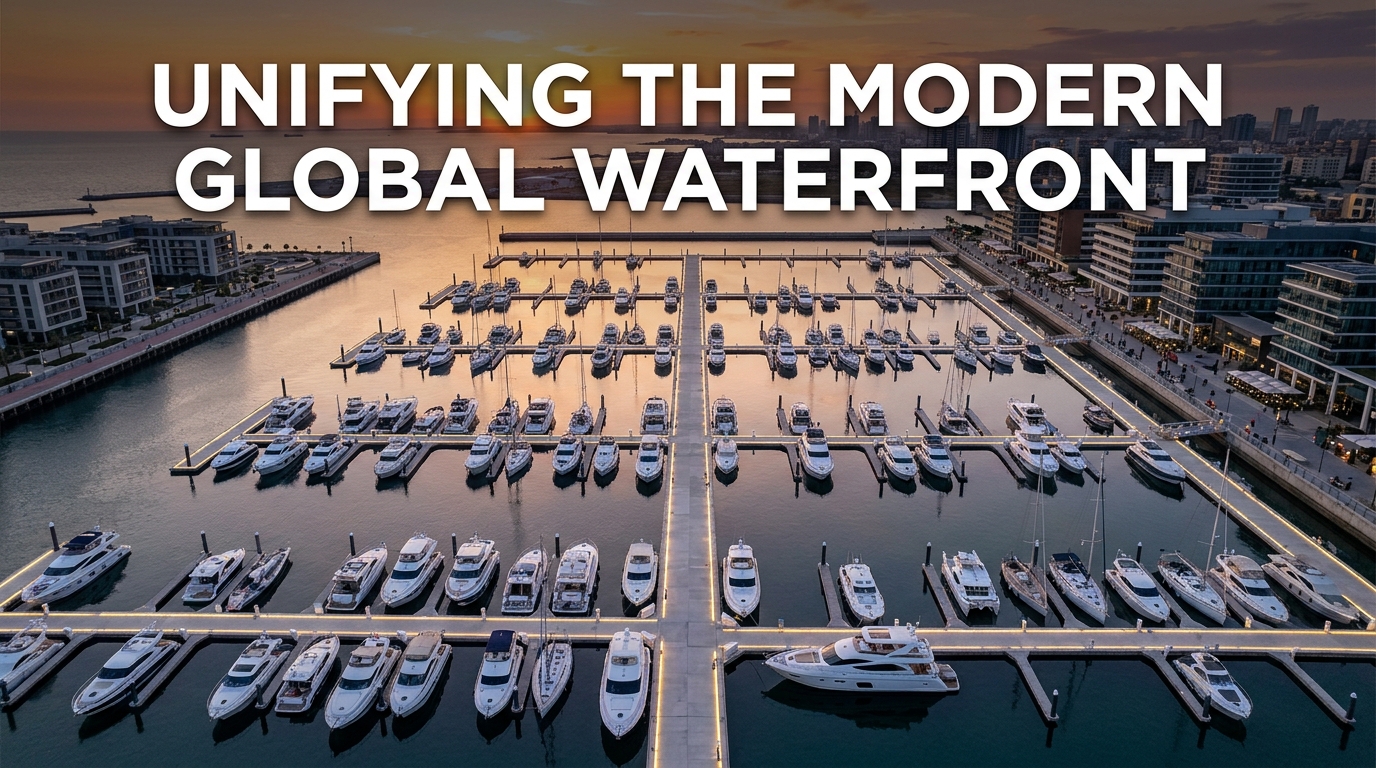
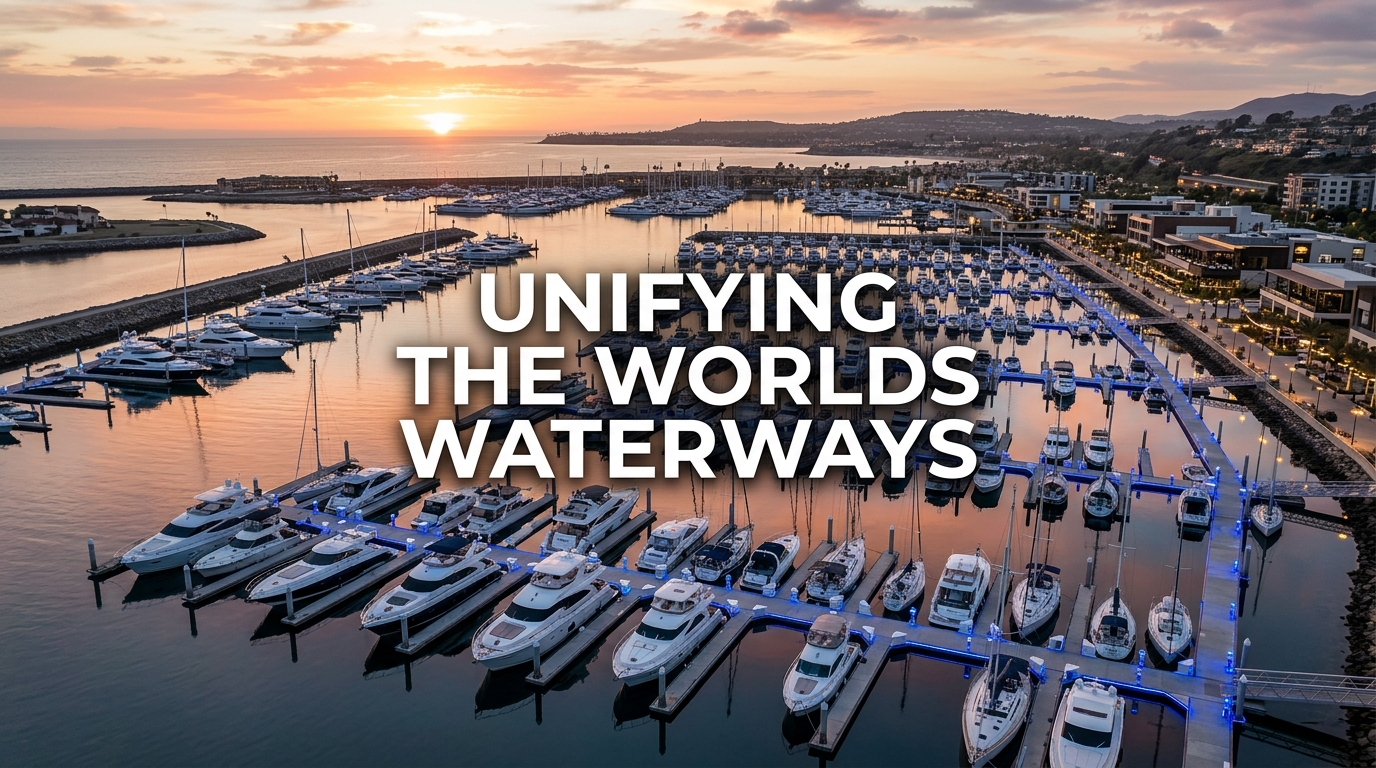
A marina is a specially designed harbor or docking area that provides safe mooring, services, and facilities for recreational and commercial boats. Found along coastlines, rivers, and lakes, marinas serve as vital connection points between land and water, playing an essential role in both local economies and maritime lifestyles.
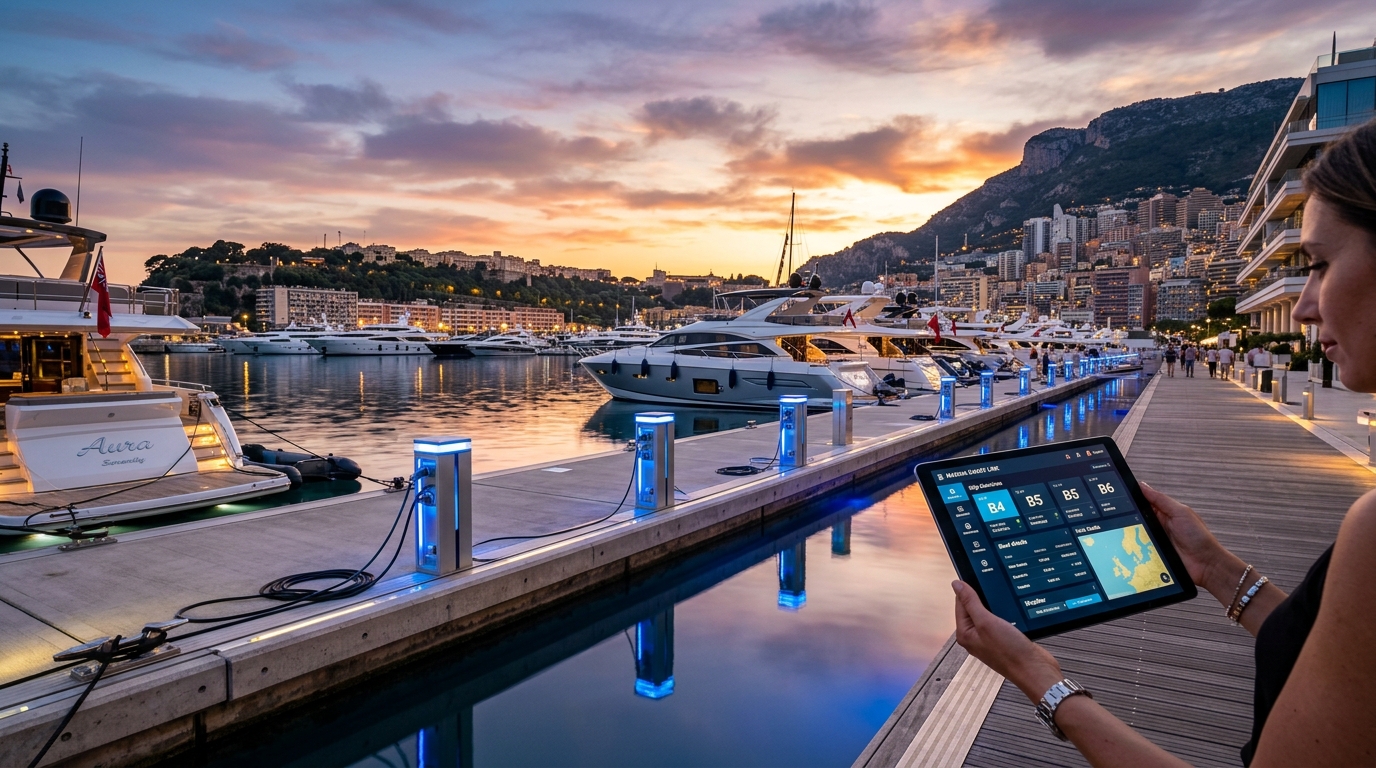
At first glance, a marina may simply look like rows of boats neatly tied to docks. But beneath this calm exterior lies a complex ecosystem of infrastructure, services, and human activity. Most marinas offer fuel stations, maintenance services, electricity hookups, fresh water, waste disposal, and security—making them crucial for boat owners who rely on them for safe and convenient access to the water. Larger marinas may even include restaurants, shops, hotels, and yacht clubs, transforming them into lively waterfront destinations rather than mere docking facilities.
Beyond their practical function, marinas contribute significantly to tourism and local economies. Waterfront dining, sailing schools, boat rentals, and fishing charters attract visitors, creating jobs and business opportunities for surrounding communities. Many coastal cities have revitalized their waterfronts by developing modern marinas that blend functionality with public spaces like promenades, parks, and boardwalks.
However, marinas also come with environmental responsibilities. Poorly managed marinas can contribute to water pollution through fuel spills, sewage discharge, and waste runoff. As a result, many modern marinas are adopting sustainable practices such as eco-friendly docking systems, clean fueling technologies, and strict waste management policies to protect marine life and water quality.
Culturally, marinas represent freedom, adventure, and a deep connection to the sea. They are places where seasoned sailors, casual boaters, and curious tourists intersect—sharing stories, experiences, and a mutual appreciation for the ocean. Whether it’s a small local harbor or a world-class yachting marina, these spaces embody the spirit of maritime life.
In an era where coastal development continues to grow, marinas will remain essential not only as infrastructure for boating but also as community spaces that celebrate our relationship with the water. They are, in many ways, the beating heart of coastal living—bridging the gap between land and sea.
Do you run a marina or own a berth?
Reach boat owners searching for berths. Listing is free.
Recent Blogs
February 6, 2026
Gateways to the Sea and Engines of Coastal Life
July 4, 2025
Boating Routes Along the East Coast You Need to Try