
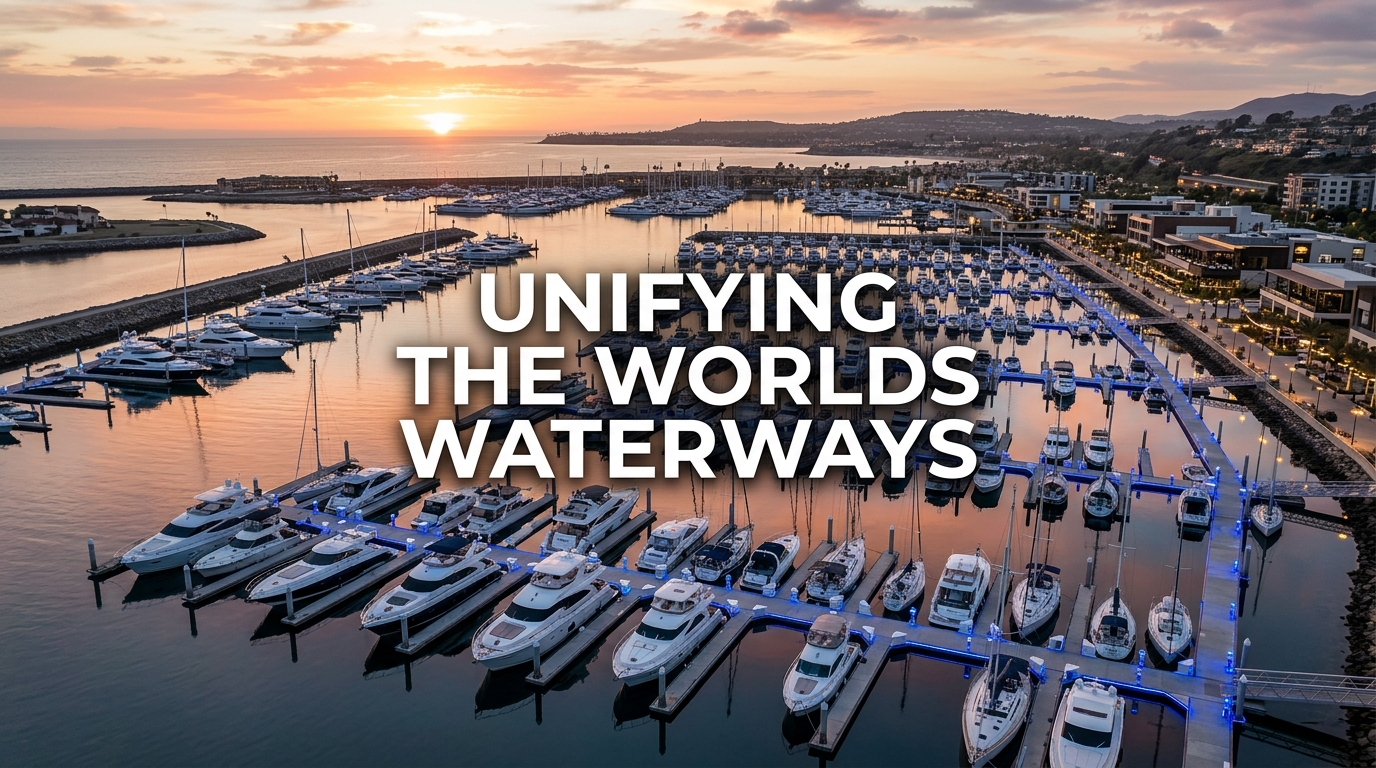
The Connected Waterfront: Maximizing Occupancy Through Smart Systems and Global Networks
The Connected Waterfront: Maximizing Occupancy Through Smart Systems and Global Networks
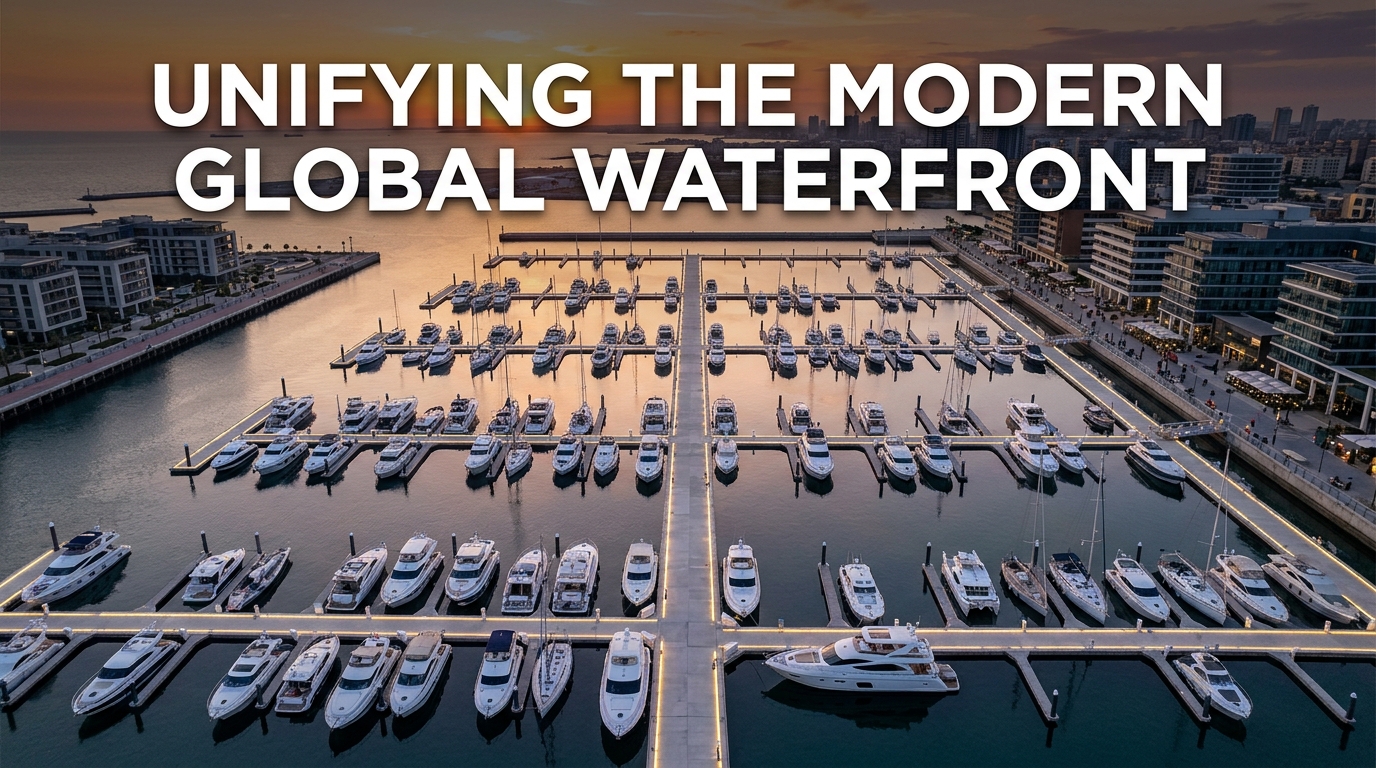
The global maritime leisure industry is experiencing an unprecedented evolution. As boat ownership reaches historic highs, the physical availability of dock space remains stubbornly static. For marina operators, this imbalance presents both a massive opportunity and a complex logistical challenge. Traditional methods of managing slip inventory—ranging from paper logbooks to rigid, isolated legacy databases—are no longer capable of keeping pace with modern demands. Today, maximizing marina occupancy requires a dynamic, interconnected approach that treats regional berths not as isolated units, but as part of a collective global network.
Marina Match stands at the forefront of this digital transformation. By bridging the gap between traditional commercial operations, automated scheduling engines, and individual dock owners, we are reshaping how the world interacts with the waterfront. In this comprehensive guide, we will explore the technology, strategies, and systems required to optimize water-space utilization, drive revenue, and deliver seamless booking experiences for the modern boater.
Decoding Marina Occupancy: Beyond the Static Slip
In the hospitality sector, hotel managers analyze occupancy and Revenue Per Available Room (RevPAR) on an hourly basis. Yet, in many coastal facilities, slip management remains shockingly manual. To truly optimize marina occupancy, operators must move beyond the concept of the static slip. A slip is not merely a piece of water; it is a highly perishable asset. Every hour a slip sits empty represents irreversible revenue loss.
Achieving optimal occupancy is not simply about filling every berth to one hundred percent capacity year-round—an impossible feat due to seasonal fluctuations and maintenance cycles. Instead, it is about yield management. This involves understanding the delicate balance between long-term seasonal contracts and high-margin transient bookings. By utilizing predictive analytics, operators can forecast peak demand windows, schedule maintenance during low-impact periods, and dynamically adjust rates to ensure that physical space is constantly generating value.
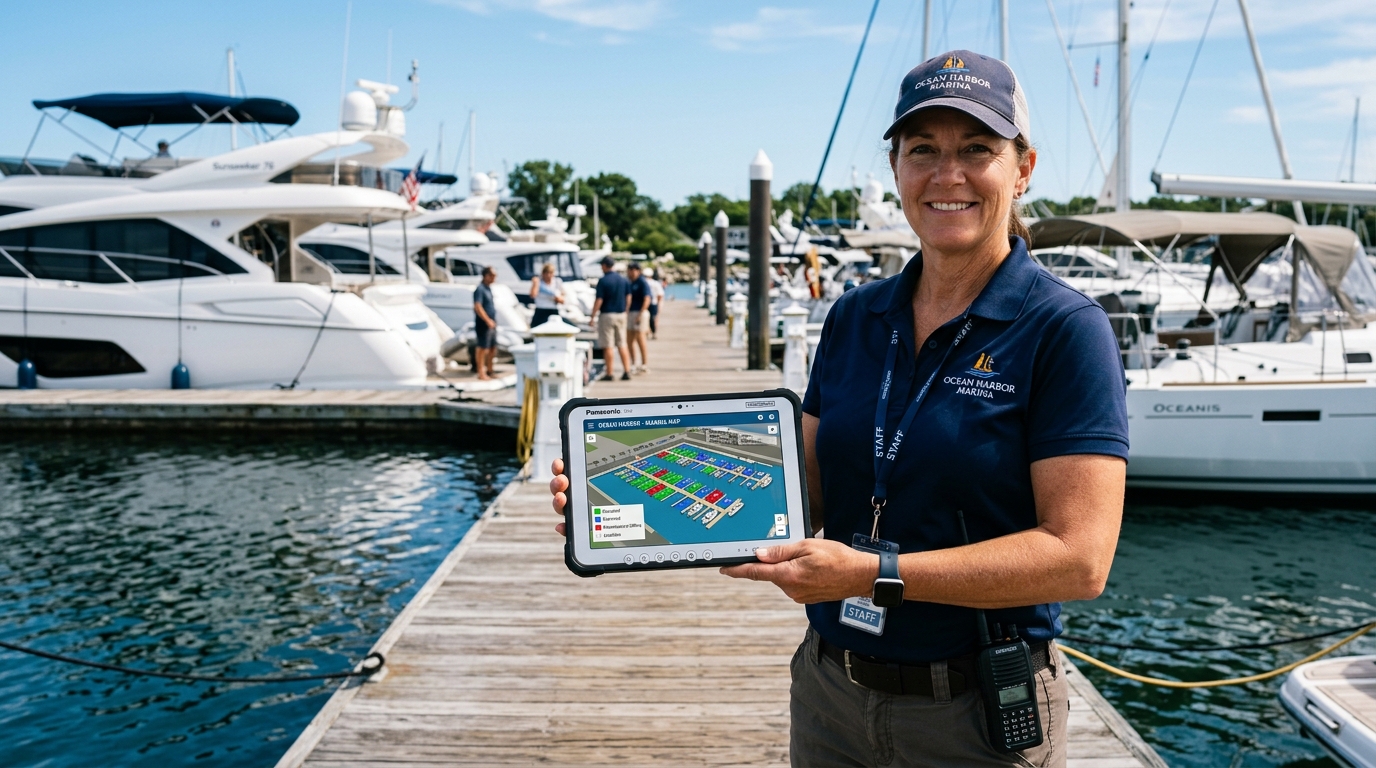
Furthermore, human error in manual bookings often leads to "ghost occupancy"—slips marked as reserved that remain empty due to cancellations, delayed arrivals, or administrative oversights. Real-time data synchronization solves this friction point, allowing operators to instantly re-allocate vacant berths to transient boaters looking for safe harbor. When your team has a clear, live visual representation of dock status, they can make decisions in seconds rather than spending hours cross-referencing ledger sheets.
The Rise of Private Berth Rental Integration
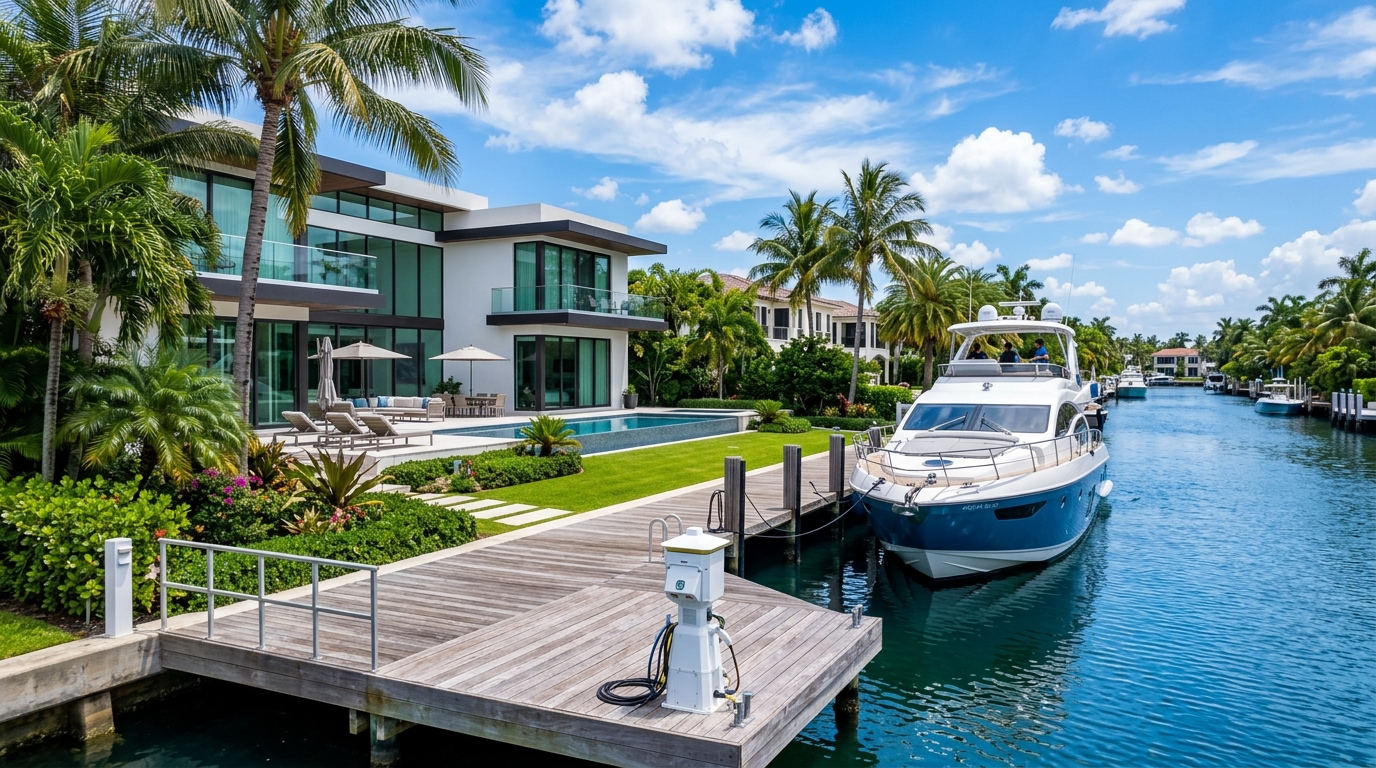
One of the most significant shifts in modern waterway management is the integration of residential and private assets into the broader nautical ecosystem. While commercial marinas frequently reach maximum capacity during holidays, peak summer weekends, and local regattas, countless residential docks and private slips sit empty just yards away. This untapped inventory represents a major opportunity to relieve pressure on congested harbors and provide alternative solutions during peak demand periods.
Integrating private berth rental options into a unified digital marketplace does not dilute the value of commercial marinas; rather, it expands the entire boating infrastructure. For boaters, it offers a diverse network of mooring locations in areas where commercial facilities are fully booked. For commercial operators, it creates a collaborative ecosystem where overflow traffic can be seamlessly redirected, ensuring that no boater is left stranded without a secure tie-up option.
However, managing private rentals historically presented significant trust and safety barriers. Next-generation platforms overcome these challenges by embedding verification protocols directly into the system. Automated insurance validation, standardized rental agreements, secure payment processing, and bilateral review systems protect both the private dock owner and the visiting boater. By bringing private dock owners into the professional fold through these automated guardrails, platforms like Marina Match are effectively expanding the global marina footprint without pouring a single cubic yard of concrete.
Transforming Logistics with Advanced Marina Reservation Software
At the heart of this unified ecosystem is next-generation marina reservation software. Modern software must do far more than process credit card transactions; it must serve as the central nervous system of the waterfront operation. To achieve this, several core technological components must work in harmony:
- Real-Time Inventory Synchronization: A single source of truth that instantly updates slip availability across all customer-facing channels, preventing double bookings and reducing administrative overhead.
- Dynamic Scheduling Algorithms: Automated placement engines that calculate boat dimensions (including draft, beam, length overall, and vertical clearance) against available slips to maximize space utilization without risking vessel damage.
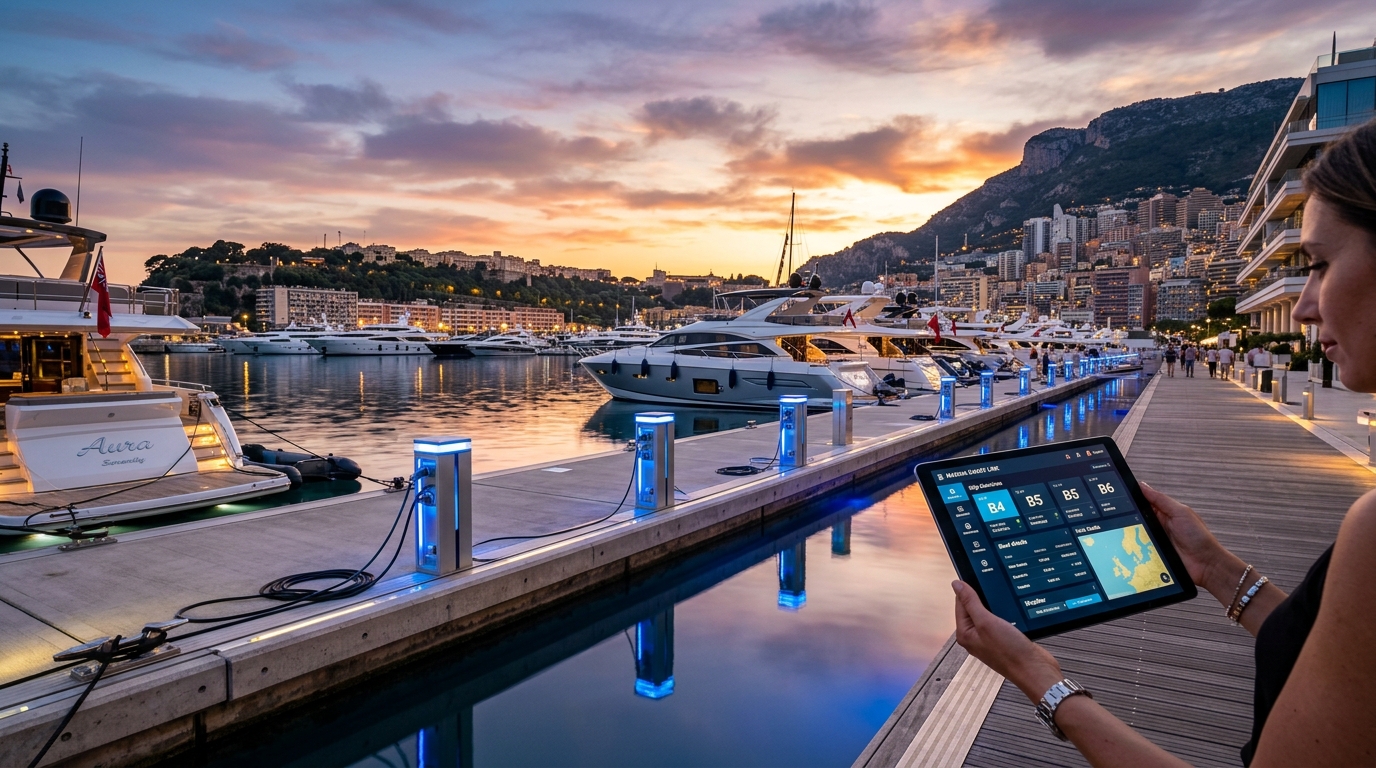
- IoT and Smart Infrastructure Integration: Connecting the software directly to smart pedestals, automated dock gates, and optical sensors that detect physical vessel presence, confirming actual occupancy in real time. This allows the system to instantly alert management if a slip is occupied by an unauthorized vessel.
- Mobile-First Guest Portals: Empowering boaters to manage their reservations, upload insurance documentation, request utility hookups, and settle balances directly from their smartphones, eliminating the need to visit the marina office.
- AIS and GPS Arrival Predictions: By integrating marine tracking data, advanced software can predict exactly when a transient vessel will arrive at the harbor mouth, allowing dock crews to prepare the slip and welcome guests without delay.
By automating these administrative bottlenecks, marina staff are freed from desk-bound logistics. They can focus instead on delivering high-touch hospitality and maintaining physical safety on the docks. When reservation workflows are digitized and frictionless, boaters are far more likely to return, driving up customer lifetime value and long-term occupancy rates.
Actionable Playbook: How Operators Can Leverage Automation Today
Transitioning from legacy operations to a smart marina model can feel daunting. However, implementing automated systems can be achieved through a series of structured, high-impact phases. Here is a practical playbook for operators looking to modernize their facilities:
1. Implement Dynamic Pricing Models
Rather than relying on flat seasonal rates, introduce dynamic pricing structures that respond to occupancy levels, weather forecasts, and local events. As your physical occupancy crosses specific thresholds (e.g., 85% capacity), your reservation engine should automatically adjust transient rates to capture maximum yield. Conversely, during mid-week lulls, automated promotions can attract local cruisers who would otherwise stay at anchor, boosting secondary spend on fuel, dining, and marine retail.
2. Automate Waitlist and Overflow Workflows
Do not let a fully booked status turn customers away permanently. Modern software should offer an automated, intelligent waitlist system. If a booked vessel cancels or changes its departure date, the system should instantly analyze the dimensions of waitlisted vessels, identify the perfect match, and notify the boater via SMS or email. This secures the booking in minutes, saving hours of manual phone calls for your staff and guaranteeing no lost revenue.
3. Standardize Digital Check-Ins and Safety Declarations
Long lines at the marina office during Friday afternoon check-in peaks damage the customer experience and stress your staff. Transition to a fully digital check-in flow. Require boaters to sign digital waivers, upload insurance certificates, and review marina safety rules prior to arrival. Upon confirmation, automatically send them their slip assignment, gate codes, utility instructions, and Wi-Fi credentials, allowing them to dock and relax immediately.
Comparison: Legacy Management vs. Unified Smart Networks
To understand the competitive advantage of modern platforms, it is helpful to compare the operational realities of legacy systems against a unified, cloud-based network like Marina Match.
Traditional Property Management Systems (PMS) operate as isolated data islands. They require on-premise servers, manual software updates, and offer zero external connectivity. If a boater wants to reserve a slip, they must call during business hours, wait for a confirmation email, and manually settle their bill at the office. This siloed structure makes regional collaboration impossible, limits marketing reach to existing customer lists, and leaves operators blind to broader regional boating trends.
In contrast, a unified smart network operates entirely in the cloud, integrating commercial marinas and private listings into a single accessible portal. Bookings are processed instantly, 24/7. AI-driven backend systems optimize slip allocation, while global marketing channels introduce your facility to thousands of transient cruisers actively planning their routes. Operational data is updated in real time, giving management teams clear visibility into occupancy trends, utility usage, and revenue metrics across multiple properties simultaneously. This shift from siloed administration to an integrated ecosystem is what defines the next generation of marine commerce.
Unlocking the Network Effect: The Marina Match Vision
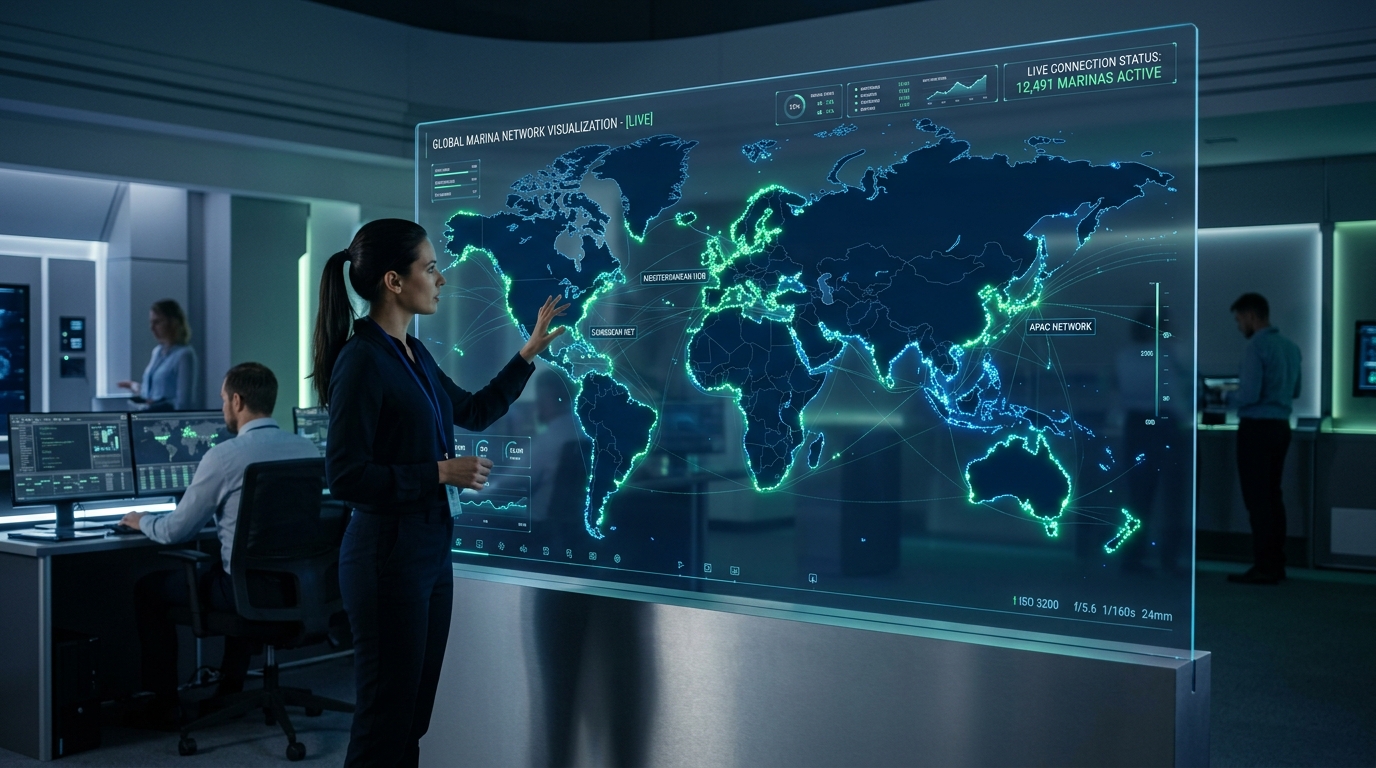
The true power of modern maritime technology lies in the network effect. When individual marinas, yacht clubs, municipal harbors, and private berth owners are linked through a single, intuitive platform, the entire boating community benefit. Boaters gain the freedom to explore new destinations with the confidence that safe, verified dockage is always within reach. Operators gain unprecedented access to a global audience of qualified mariners, shifting from passive local businesses to active participants in a global travel network.
At Marina Match, we are building the digital infrastructure that makes this connected future possible. Our platform is engineered to handle the complex realities of marine operations—from electrical phase matching and deep-draft vessel clearances to automated local sales tax compliance. By centralizing these complex variables into a clean, user-friendly interface, we make smart harbor management accessible to everyone, from multi-national marina portfolios to individual coastal homeowners. The ocean connects us physically; Marina Match connects us digitally.
Frequently Asked Questions
What is marina reservation software and how does it help my business?
Marina reservation software is a specialized digital platform designed to manage the unique inventory of docks, slips, and moorings. Unlike generic hotel software, it accounts for vessel dimensions, draft requirements, utility needs, and environmental factors. It helps businesses by automating bookings, maximizing occupancy, reducing administrative work, and providing real-time data to help operators make informed decisions.
How does integrated private berth rental benefit local commercial marinas?
Integrating private berths creates a collaborative regional network. During high-season events when commercial marinas are fully booked, private listings offer safe alternative dockage. This prevents boaters from bypassing the region entirely, keeping tourism dollars within the local marine economy and allowing commercial operators to build partnerships and offer overflow support.
What strategies are most effective for improving off-season marina occupancy?
To boost occupancy during slower months, operators should implement dynamic mid-week pricing, partner with local marine mechanics or detailers to offer maintenance packages, and leverage automated marketing campaigns to target long-distance cruisers who are seeking safe, long-term winter storage.
Is modern marina software difficult to integrate with existing dock infrastructure?
No. Modern cloud-based systems are designed with open API architectures. This allows them to integrate seamlessly with existing point-of-sale systems, accounting software, and modern IoT dock hardware such as smart utility pedestals, remote access gates, and security cameras without requiring expensive custom development.
Chart Your Course to Smart Marina Management
The future of the waterfront belongs to those who embrace connectivity, automation, and intelligent resource management. By moving away from rigid, outdated practices and adopting a dynamic approach to berth utilization, you can unlock hidden revenue, streamline your daily operations, and provide an unparalleled experience for every captain who ties up at your docks.
Whether you manage a prestigious multi-basin commercial facility or own a single private jetty in a bustling waterway, Marina Match has the tools, network, and technology to help you succeed. Join our growing global ecosystem today and transform the way you manage your waterfront assets. Discover how we can optimize your occupancy and elevate your business by exploring the Marina Match platform today.
Do you run a marina or own a berth?
Reach boat owners searching for berths. Listing is free.
Recent Blogs

February 6, 2026
Gateways to the Sea and Engines of Coastal Life
July 4, 2025
Boating Routes Along the East Coast You Need to Try