
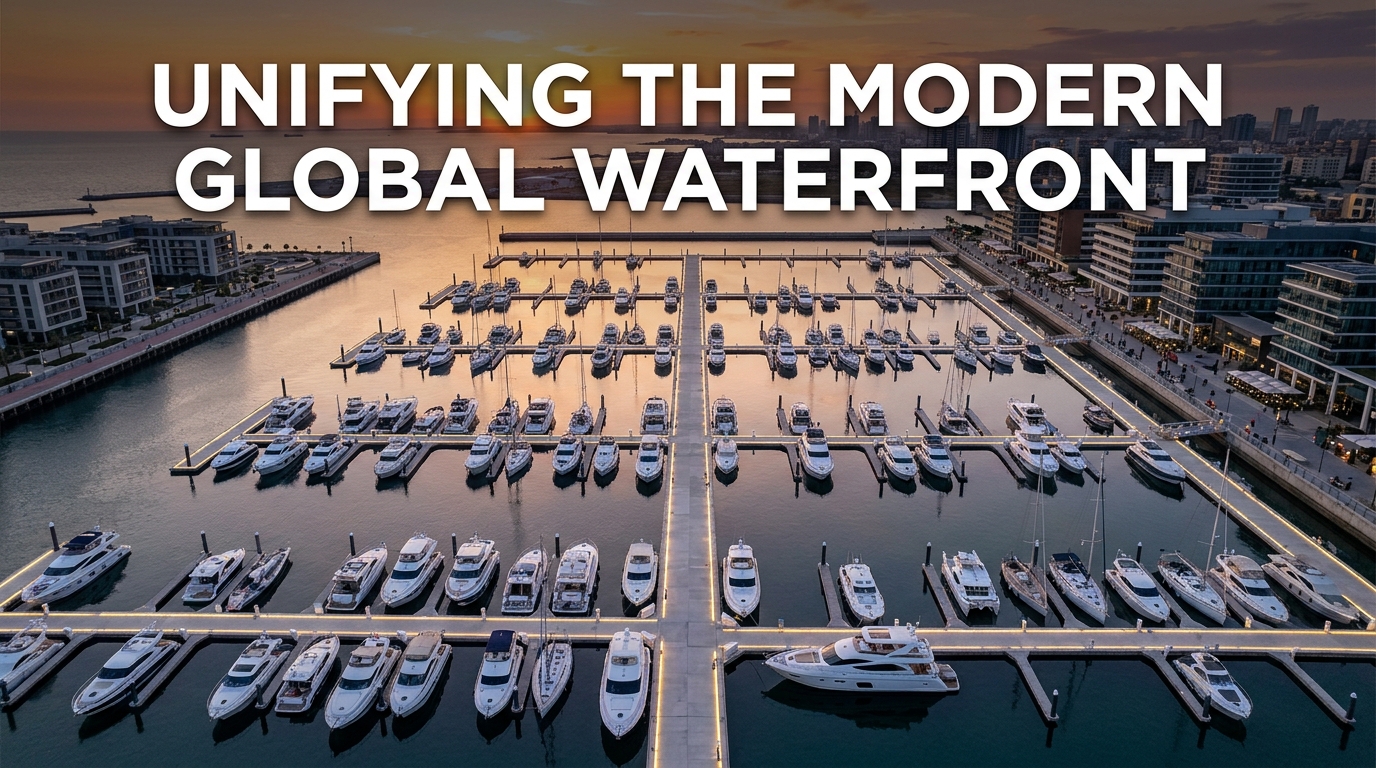
Unifying the Waterfront: How AI and Integrated Systems Bridge the Gap Between Commercial Marinas and Private Docks
The Modern Waterfront Challenge: Overcoming Fragmentation in a Growing Industry
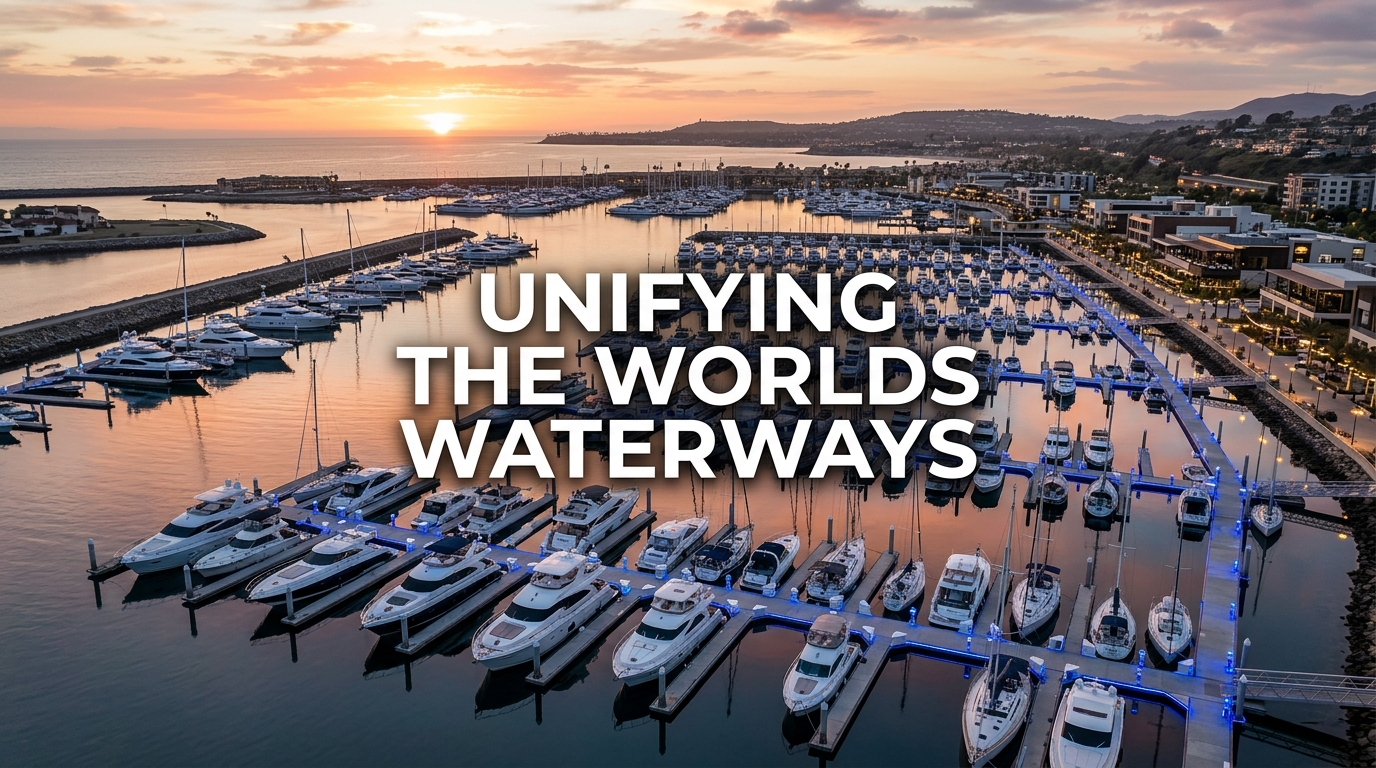
The global maritime tourism sector is experiencing unprecedented growth. Millions of recreational boaters hit the waterways every year, seeking new destinations, modern amenities, and reliable dockage. Yet, beneath this thriving exterior, the industry's underlying infrastructure remains deeply fragmented. Commercial marinas constantly grapple with operational inefficiencies, manual administrative burdens, and lost revenue during peak seasons. Concurrently, thousands of high-quality residential slips and private docks sit completely vacant in prime coastal canals, entirely disconnected from the active boating ecosystem.
Historically, these two sectors—commercial marina operators and residential dock owners—existed in separate silos. The bridge between them has been virtually non-existent, leaving boaters to navigate complex, outdated booking processes while prime deep-water berths sit empty nearby. To resolve this structural bottleneck, the maritime community requires more than just a digital reservation book. It demands a holistic, intelligent platform that unifies all available slips into a dynamic, global network. By utilizing advanced marina management software and artificial intelligence, the industry can finally bridge this gap, optimizing space and streamlining operations for everyone involved.
The Evolution of Marine Logistics: From Paper Ledgers to Intelligent Software
For decades, marina operations relied heavily on paper logbooks, magnetic planning boards, and static spreadsheets. While these manual methods sufficed when boat fleets were smaller and localized, they are entirely inadequate in today’s hyper-connected world. Legacy desktop database systems eventually replaced paper ledger books, but they offered little more than localized storage with zero external connectivity or real-time booking capabilities.
Today's marinas require software that acts as an all-in-one operating system. Truly modern marina management software does not merely record reservations; it synchronizes every facet of waterfront operations in real time. It automates utility billing, manages gate security, simplifies customer communications, integrates point-of-sale systems, and tracks vessel locations. By transitioning to a centralized cloud platform, operators can automate routine administrative tasks, giving dockmasters and staff more time to focus on delivering high-quality hospitality on the docks.
However, the true frontier of modern marina technology lies in predictive analytics and algorithmic decision-making. As transient boating demand fluctuates based on weather patterns, local events, and seasonal migration routes, static software systems fall short. The next logical evolution is the incorporation of artificial intelligence to manage physical space with mathematical precision, ensuring that no slip goes underutilized.
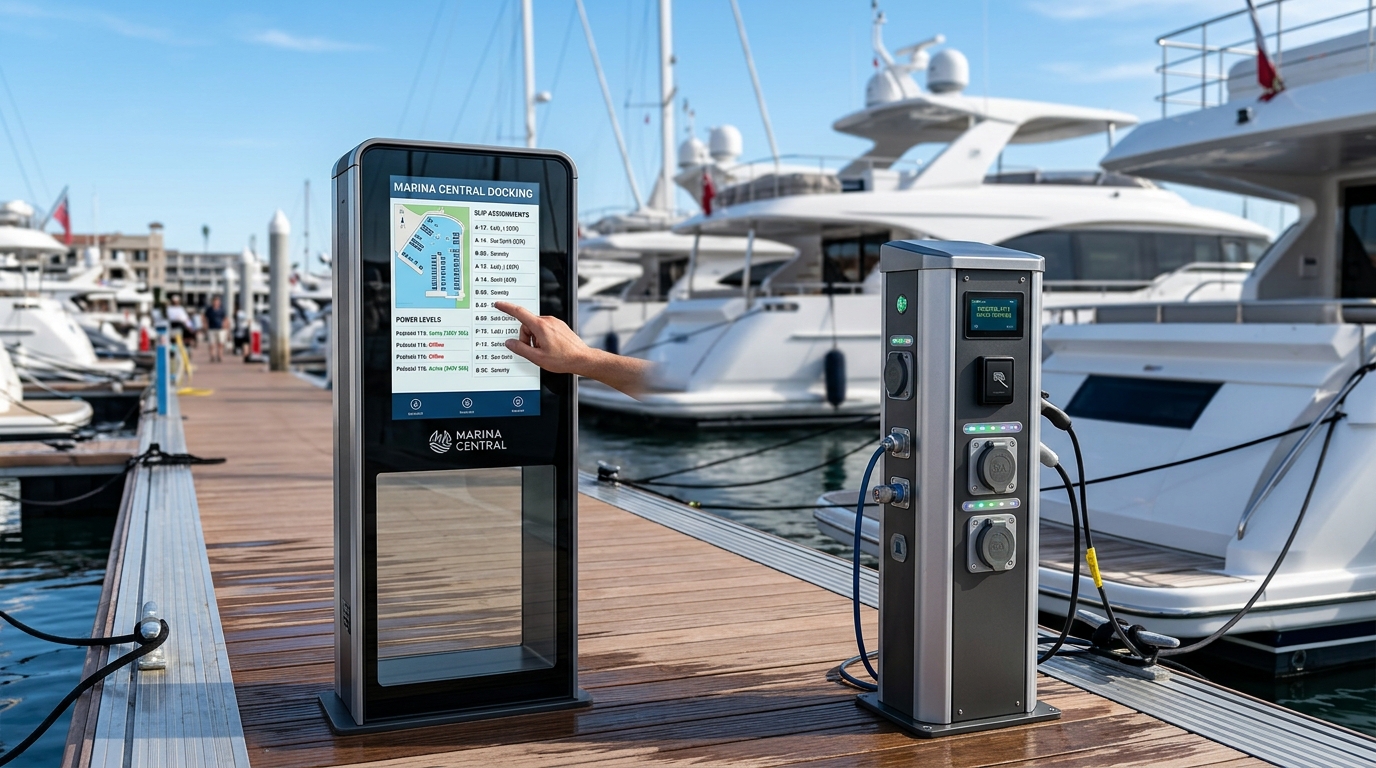
Demystifying AI Berth Allocation: The Math Behind the Slip
One of the most complex challenges in marina operations is space optimization. A marina's layout is a giant, real-time spatial puzzle. Every vessel has unique, non-negotiable physical specifications: overall length (LOA), beam, draft, power requirements (such as 30-amp vs. dual 50-amp shore power), and overhead clearance limitations. Allocating these vessels to slips manually is not only slow and stressful for staff, but it is also highly prone to human error, which frequently results in underutilized linear footage and lost revenue.
How Algorithmic Optimization Works
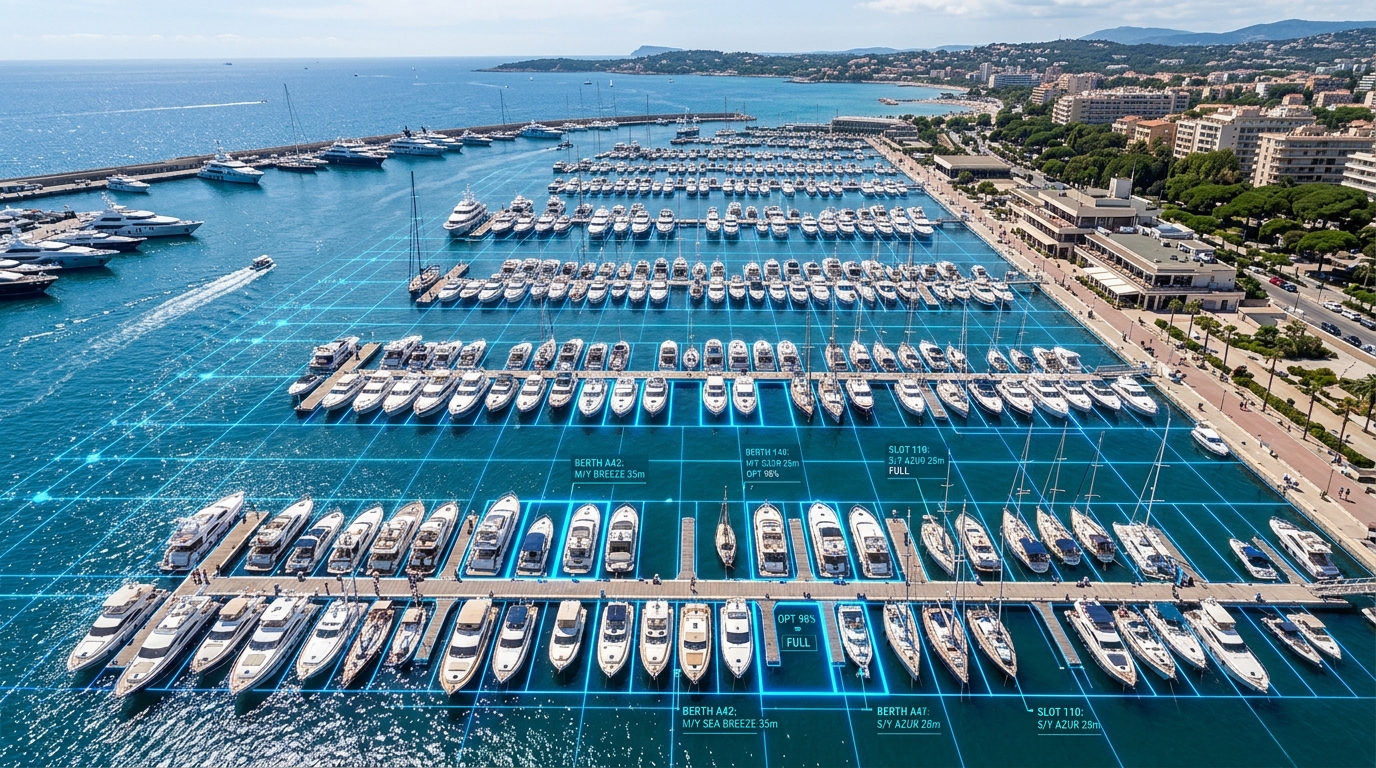
Modern systems powered by AI berth allocation process millions of spatial permutations in seconds. When a boater requests a reservation, the AI does not simply look for an empty slip; it analyzes the entire marina grid to find the most mathematically optimal placement. Key operational benefits include:
- Dynamic Spacing: The system automatically groups vessels on linear docks to minimize wasted "dead space," maximizing the total feet of boat per dock face.
- Conflict Prevention: It cross-references boat drafts with real-time bathymetric (depth) data and tidal charts to prevent groundings during low tide.
- Strategic Buffering: The algorithm anticipates incoming vessels and preserves highly accessible slips for large, difficult-to-maneuver yachts, routing smaller, highly maneuverable craft to interior berths.
The ROI of AI vs. Manual Planning
Consider a traditional 200-slip commercial marina. On a busy holiday weekend, a manual dockmaster might achieve 82% occupancy, leaving several awkward gaps on linear docks because they cannot visualize the physical puzzle dynamically in real time. By contrast, a system utilizing AI berth allocation can effortlessly boost occupancy to 95% or higher. By continuously reorganizing the digital layout as bookings, cancellations, and arrival delays occur, the AI reclaims lost linear footage, directly boosting the marina's bottom line without requiring any physical expansion of the docks.
Bridging the Gap: Integrating the Private Dock Economy
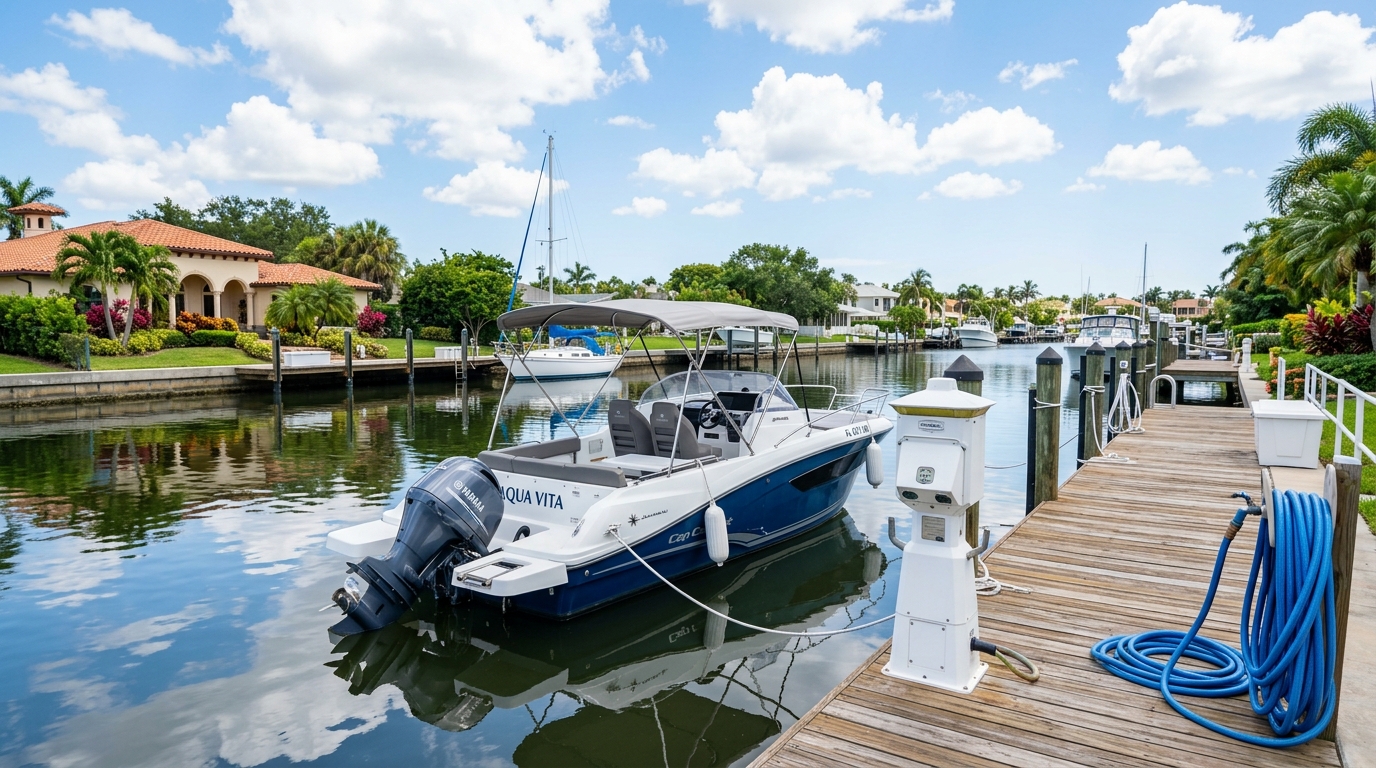
While commercial marinas work to optimize their existing footprints, a massive, untapped reserve of maritime real estate sits right next door: the residential waterfront. Along coastal canals, rivers, and inland lakes, thousands of homeowners own a private dock, jetty, or slip that remains unused for large portions of the year. This represents an enormous amount of latent capacity in areas where commercial dockage is severely limited.
In a fragmented market, these private spaces represent lost potential. Boaters struggle to find secure, overnight berths during peak seasons, major boat shows, or coastal festivals, while homeowners miss out on passive income opportunities. The challenge has always been trust, security, access management, and communication.
Unifying the Network with Marina Match
Marina Match solves this systemic fragmentation by integrating both commercial marinas and private slips into a single, unified global network. By utilizing the same sophisticated core technology designed for commercial enterprises, individual owners can list their residential slips with total confidence, transforming the way boaters find dockage.
- Verified Users and Vessels: Boaters are vetted through comprehensive profiles, including vessel documentation, insurance verification, and peer reviews, ensuring security for homeowners.
- Automated Compliance: The software manages local guidelines, contract terms, and transaction records, shielding both parties from administrative and legal ambiguities.
- Seamless Discovery: Boaters looking for a berth can compare commercial marina amenities with the quiet, exclusive convenience of a residential slip, booking either option instantly through a single, intuitive interface.
This integrated approach effectively expands the global inventory of available berths, easing pressure on congested commercial harbors and opening up exciting new pathways for coastal exploration.
Actionable Strategies for Modern Waterfront Operators
Embracing the future of smart harbor technology does not require an overnight overhaul. Whether you manage a world-class megayacht facility or own a single residential slip, strategic, incremental upgrades can yield significant improvements in efficiency, security, and revenue.
For Commercial Marina Managers
To remain competitive in an increasingly digital landscape, commercial operators should prioritize the following steps:
- Audit Your Current Software: If your system does not offer open API integrations, cloud accessibility, or automated billing, it is limiting your growth. Transition to a platform designed for modern, multi-channel distribution.
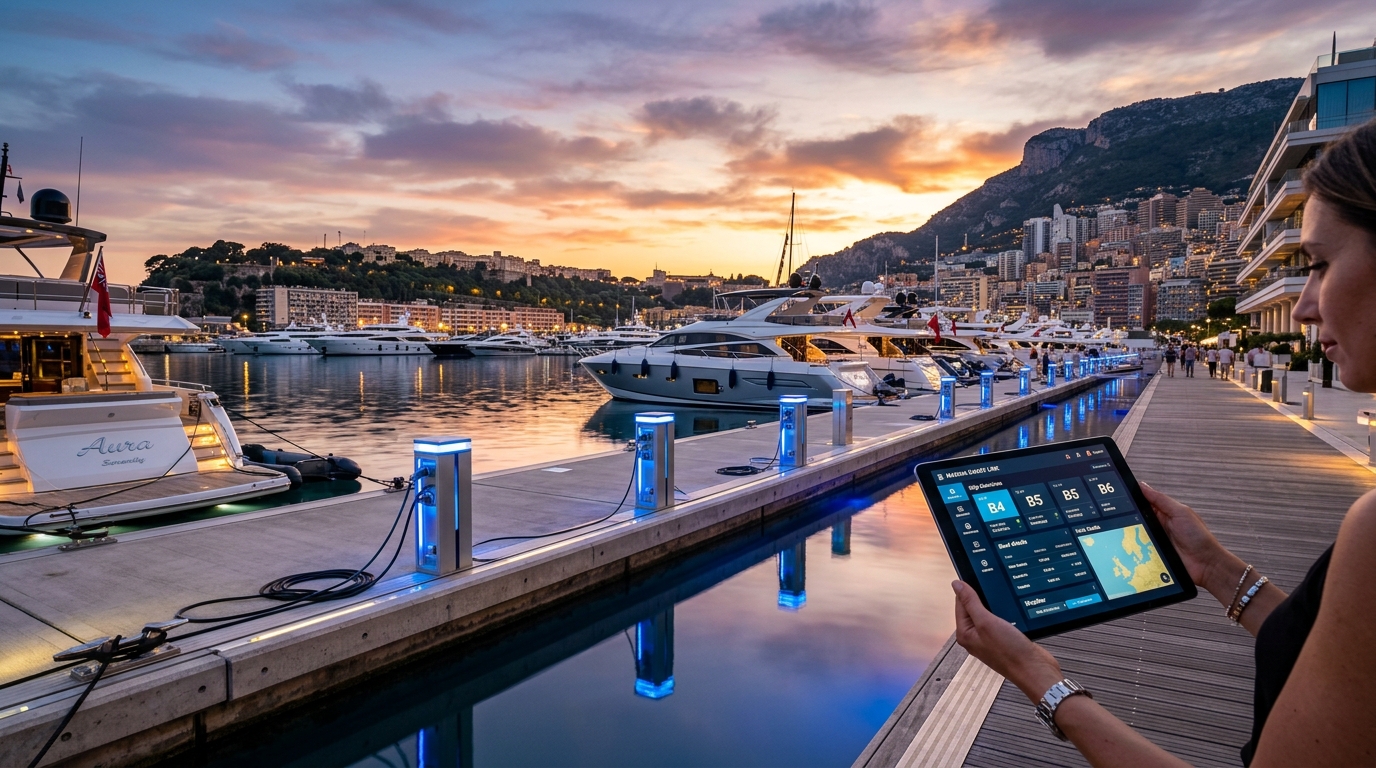
- Deploy IoT Sensors: Integrate smart utility pedestals that automatically read meters and transmit consumption data directly to your billing software, eliminating manual reads and utility leakage.
- Leverage Dynamic Pricing: Implement pricing algorithms that adjust transient rates based on real-time occupancy and seasonal demand, maximizing yields during peak windows.
For Private Dock Owners
If you own water frontage and want to participate in the global boating network, prepare your asset for maximum safety and appeal:
- Know Your Specs: Accurately measure the minimum water depth at low tide, the maximum vessel length your slip can safely accommodate, and the exact beam limits of your slip.
- Upgrade Your Utilities: Providing clean, reliable shore power (such as a marine-grade 30-amp or 50-amp outlet) and fresh water will significantly increase the desirability and rental value of your space.
- Document Access and Hazards: Provide clear, written instructions regarding approach channels, overhead clearance (bridges), and docking maneuvers to ensure a stress-free arrival for visiting captains.
Frequently Asked Questions
Below are some of the most common questions marina operators and boaters ask about modern waterfront technology, automated management, and private slip sharing.
What is the difference between legacy booking systems and modern marina management software?
Legacy systems act as simple databases or digital ledgers, requiring staff to manually input data, assign slips, and calculate utility bills. Modern cloud-native software automates these processes, integrates with real-time IoT hardware, and utilizes AI to optimize slip space, manage dynamic pricing, and facilitate instant online bookings.
How does AI berth allocation handle changes in weather or vessel delays?
The AI system continuously monitors real-time variables, including weather forecasts, tidal data, and automatic identification system (AIS) tracking. If a vessel is delayed due to high winds or mechanical issues, the algorithm recalculates the entire docking grid in real time, shifting pending arrivals to alternative slips to prevent logjams and ensure safe docking configurations.
Is it safe for a homeowner to rent out their private dock?
Yes, when managed through a secure, professional network like Marina Match. The platform verifies boater identities, confirms vessel insurance coverage, and provides standardized agreements. This protects the homeowner’s property rights and liability while ensuring boaters have a safe, authorized place to tie up.
Can commercial marinas use private slips to handle overflow?
Absolutely. One of the most powerful features of a unified network is the ability for commercial marinas to establish partnerships with nearby residential dock owners. During high-demand events like boat shows or tournaments, commercial operators can direct overflow vessels to verified local residential slips, keeping boaters within their service ecosystem.
Conclusion: Chart a Smarter Course with Marina Match
The future of the waterfront is connected, automated, and highly optimized. By removing the barriers between commercial infrastructure and the private sector, and replacing manual logistics with intelligent automation, we can create a fluid, enjoyable experience for boaters and highly profitable assets for owners.
Whether you are a commercial marina manager seeking to maximize operational yield, a residential owner looking to safely monetize your unused slip, or a boater searching for the perfect destination, Marina Match provides the technology and network to guide you forward. Discover how our advanced software, automated booking ecosystems, and AI-driven solutions are redefining the waterfront. Visit Marina Match today to explore our global platform and claim your place in the modern maritime network.
Do you run a marina or own a berth?
Reach boat owners searching for berths. Listing is free.
Recent Blogs

February 6, 2026
Gateways to the Sea and Engines of Coastal Life
July 4, 2025
Boating Routes Along the East Coast You Need to Try