
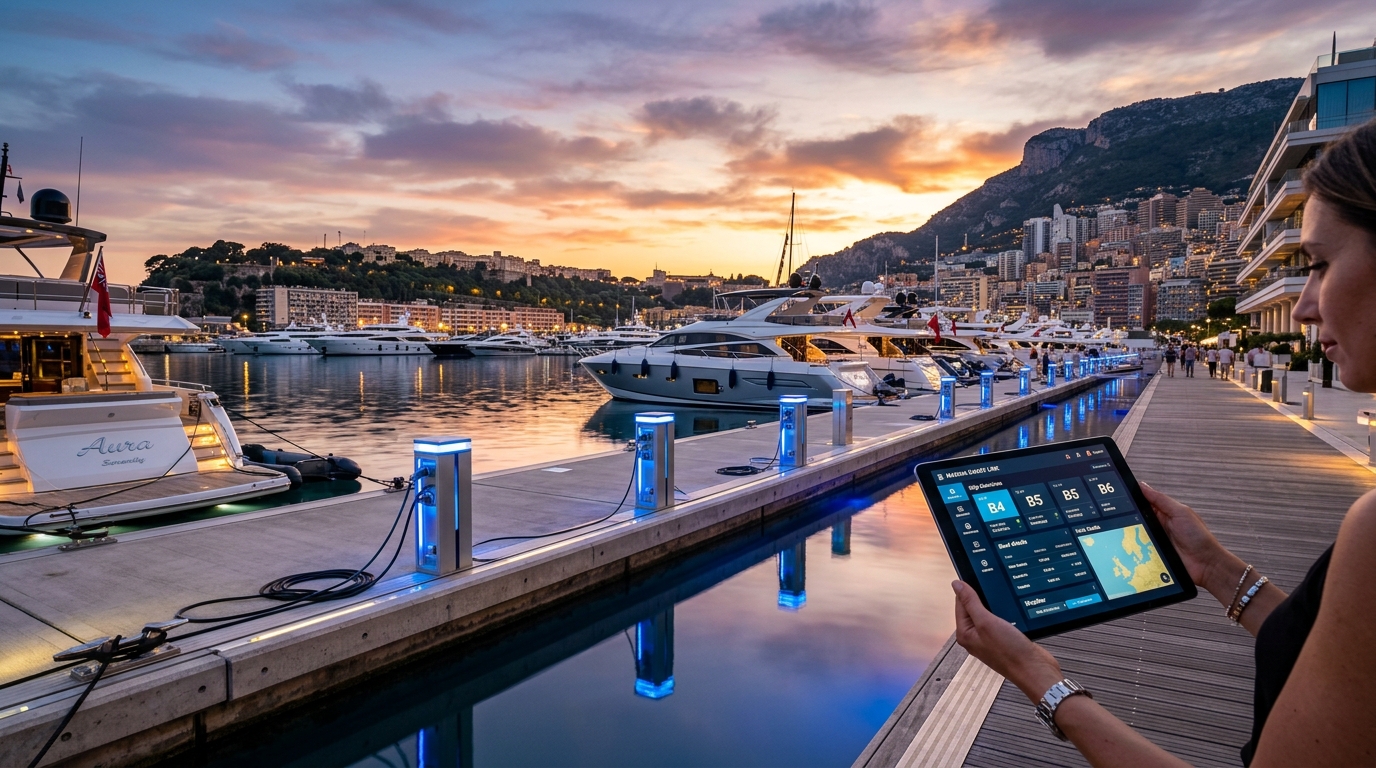
The Future of Marina Management: How Automation, AI, and Smart Booking Ecosystems are Redefining the Waterfront
The Digital Wave: Revolutionizing Maritime Infrastructure
For decades, the maritime industry has operated on tradition. While commercial shipping and yacht manufacturing have embraced advanced engineering and satellite communications, the infrastructure supporting recreational boating has often lagged. Traditional marina operations have historically relied on manual spreadsheets, whiteboards, and high-frequency radio calls to manage slips. However, a major digital wave is transforming our waterfronts. As a new generation of tech-savvy boaters takes to the water, the demand for instant, frictionless digital experiences has made modern marina booking software an operational necessity rather than a luxury.
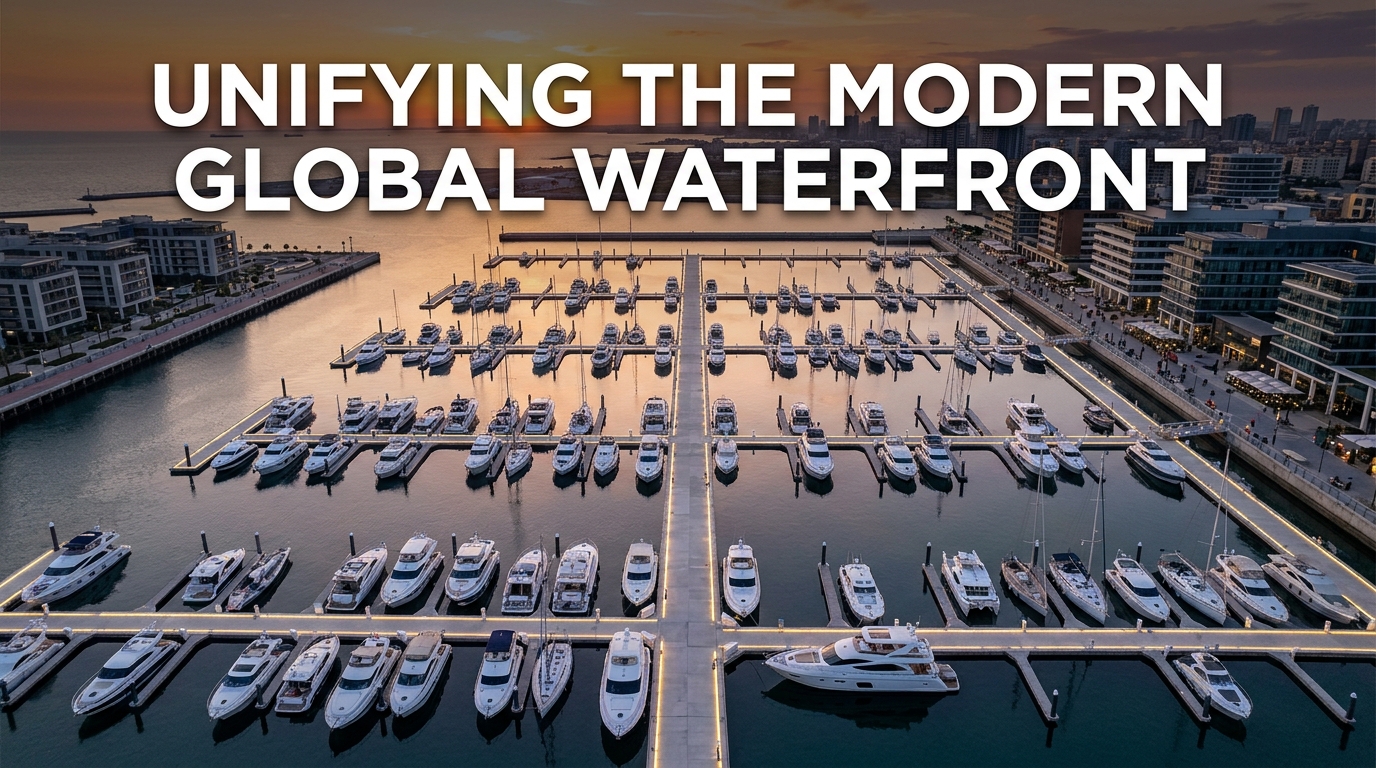
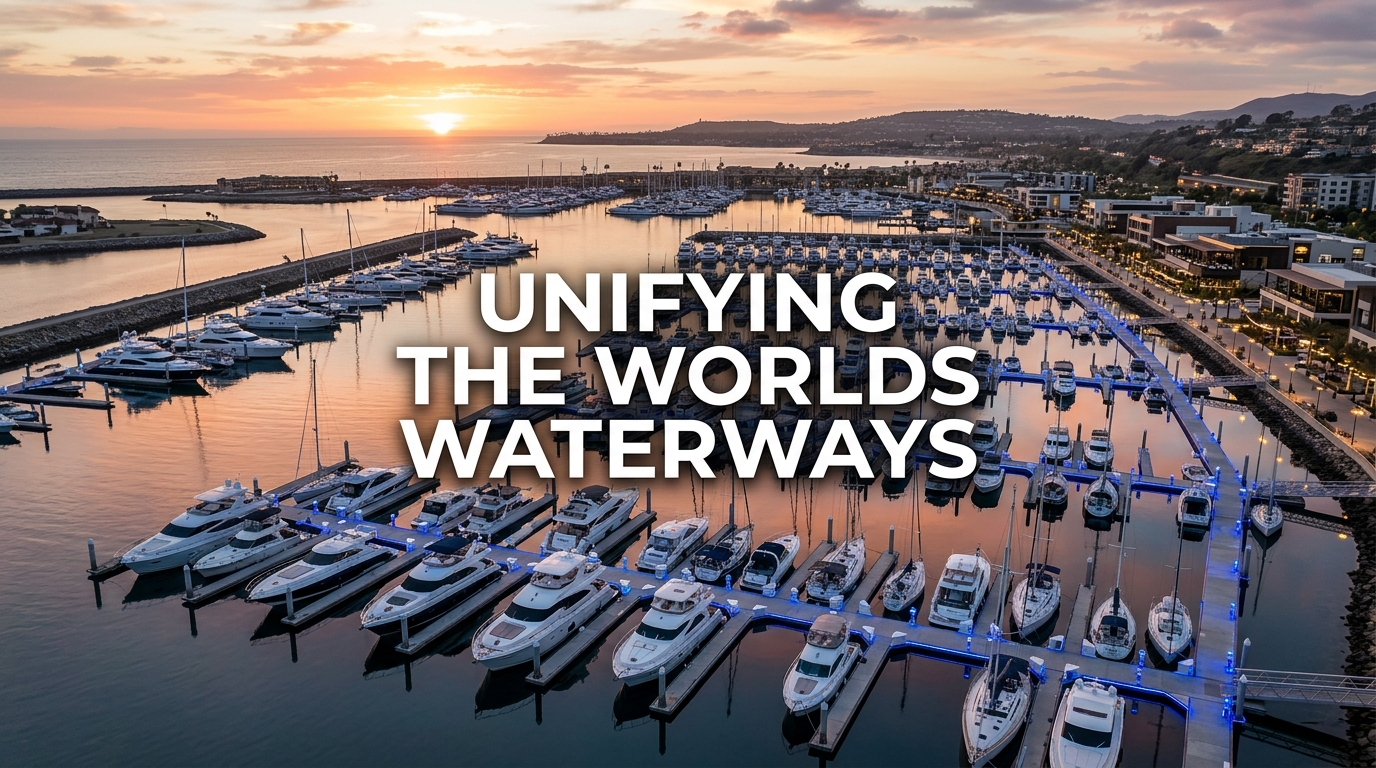
Today, marina operators face a complex array of challenges: fluctuating seasonal demand, volatile utility costs, labor shortages, and the logistical headache of manual slip allocation. Concurrently, boaters face a perennial shortage of secure dockage, often spending hours searching for available slips. To bridge this gap, the industry is shifting toward smart marina technology, artificial intelligence, and automated management platforms. By uniting commercial marinas and private asset owners into a single global network, forward-thinking platforms like Marina Match are redefining how we manage, discover, and book waterfront space.
The Core of Modern Operations: Next-Generation Marina Booking Software
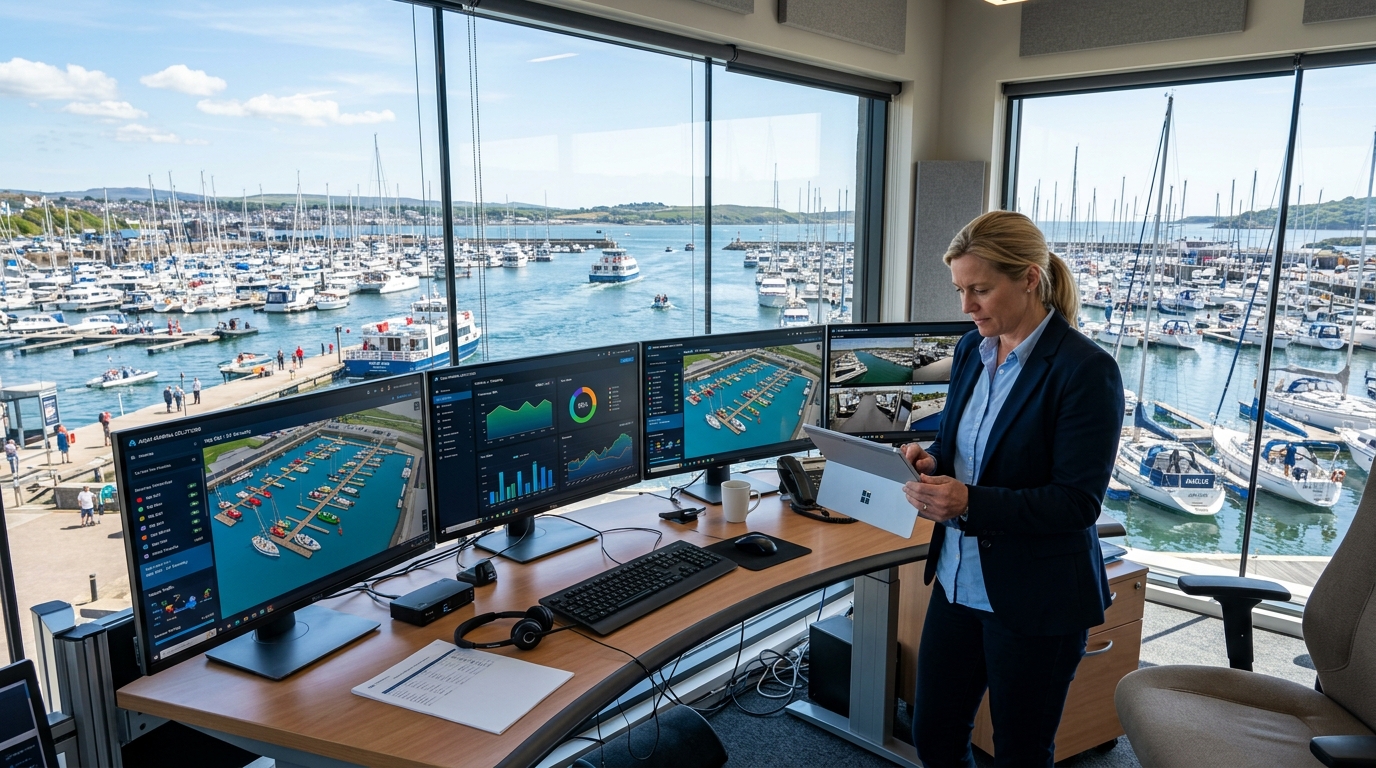
Traditional reservation methods are fundamentally inefficient. When a marina manager relies on phone calls or static email forms to book slips, they invite human error. A misplaced booking can lead to double-booked slips, unhappy boaters, and lost revenue. Modern marina booking software eliminates these friction points by serving as a single source of truth for all slip inventory, vessel profiles, and payment processing.
Next-generation software does much more than simply accept reservations; it dynamically optimizes the physical layout of the marina. Every vessel has unique dimensions—including Length Overall (LOA), beam, draft, and specific electrical requirements (such as 30-amp, 50-amp, or 100-amp shore power). Advanced booking platforms automatically cross-reference these technical specifications with the physical attributes of available slips. This ensures that a vessel with a 6-foot draft is never assigned to a shallow-water slip, and a wide-beam catamaran is automatically directed to a T-head or double-wide slip without requiring manual intervention from staff.
Maximizing Waterfront Real Estate: Private Berth Rental & Boat Dock Rental
One of the most significant challenges in the modern boating industry is the severe deficit of physical slips. Environmental regulations, coastal zoning laws, and prohibitive construction costs make building new commercial marinas exceptionally difficult. To satisfy the growing demand for dockage, the industry must look to existing, underutilized infrastructure. This is where the sharing economy meets the waterfront through private berth rental and boat dock rental solutions.
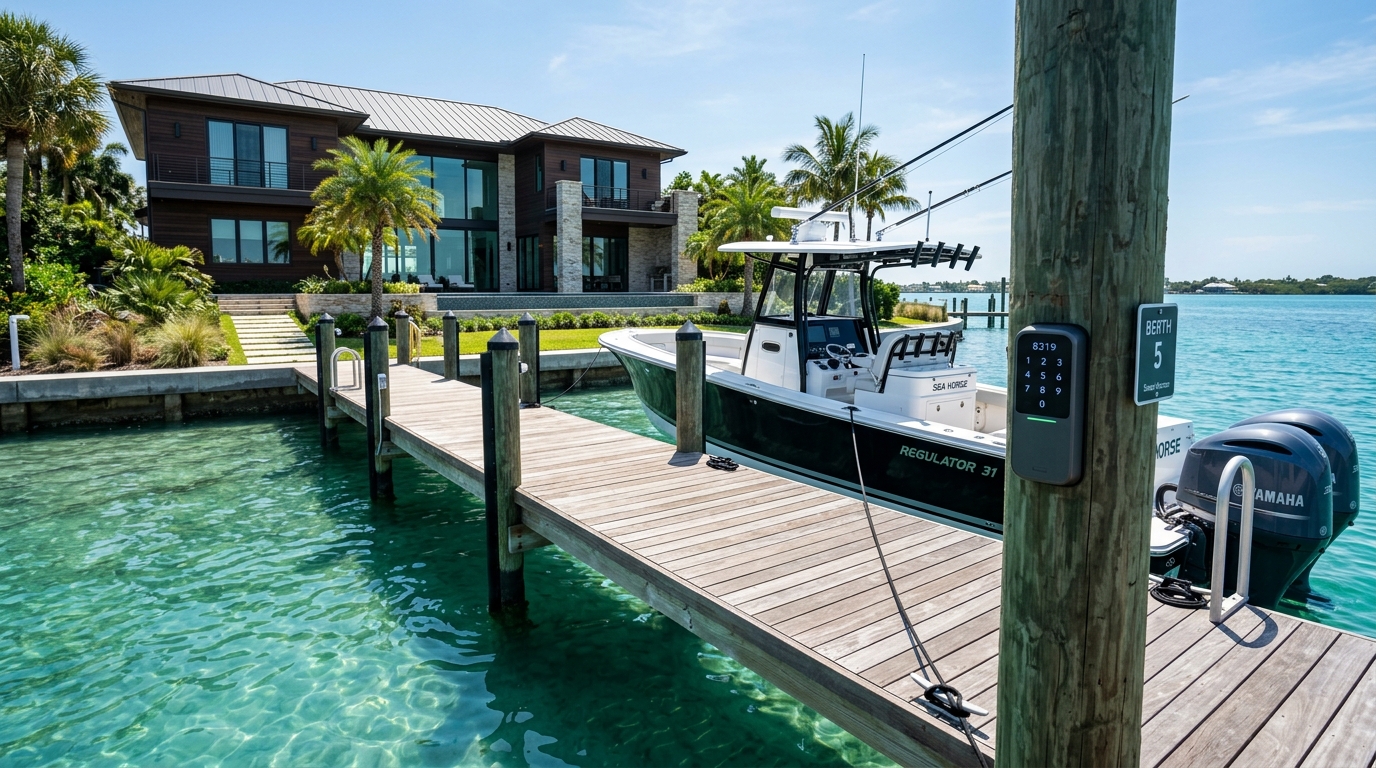
Thousands of private waterfront homeowners, condominium associations, and private yacht clubs own premium docks that sit empty for weeks or months at a time. Traditionally, these assets remained inaccessible due to security concerns, lack of insurance coverage, and the absence of a reliable listing platform. By integrating these private spaces into a comprehensive digital marketplace, Marina Match unlocks a massive supply of alternative dockage.
For dock owners, listing their space as a boat dock rental transforms an underutilized asset into a highly lucrative stream of passive income. For boaters, it opens up access to prime cruising grounds, secluded canals, and convenient urban waterways that may be miles away from the nearest commercial marina. Furthermore, introducing private berth rental options into a unified network relieves pressure on congested commercial harbors, creating a more balanced and accessible ecosystem for the entire boating community.
Elevating the Boater Experience through Tech-Driven Solutions
Modern consumers expect the same level of convenience on the water that they experience on land. Whether booking an app-based ride, ordering groceries, or reserving a luxury hotel, mobile-first, instant confirmation is the gold standard. To attract and retain modern boaters, marinas and private dock owners must offer a similarly seamless digital experience.
- Instant Bookings: No more waiting hours or days for a confirmation email. Real-time availability allows boaters to secure their dockage instantly, even while underway.
- Digital Vessel Profiles: Boaters can store their vessel dimensions, insurance certificates, registration documents, and payment details in a single secure profile, simplifying the check-in process across the global network.
- Mobile Communication: Integrated messaging systems allow dockmasters and private dock owners to communicate directly with incoming vessels, sharing gate codes, local navigation hazards, and mooring instructions.
Under the Hood: AI, Automation, and Smart Marina Technology
The true power of modern marina management lies in the integration of Artificial Intelligence (AI) and the Internet of Things (IoT). When marina booking software is connected to physical smart infrastructure, it transforms a static harbor into an intelligent, self-optimizing ecosystem.
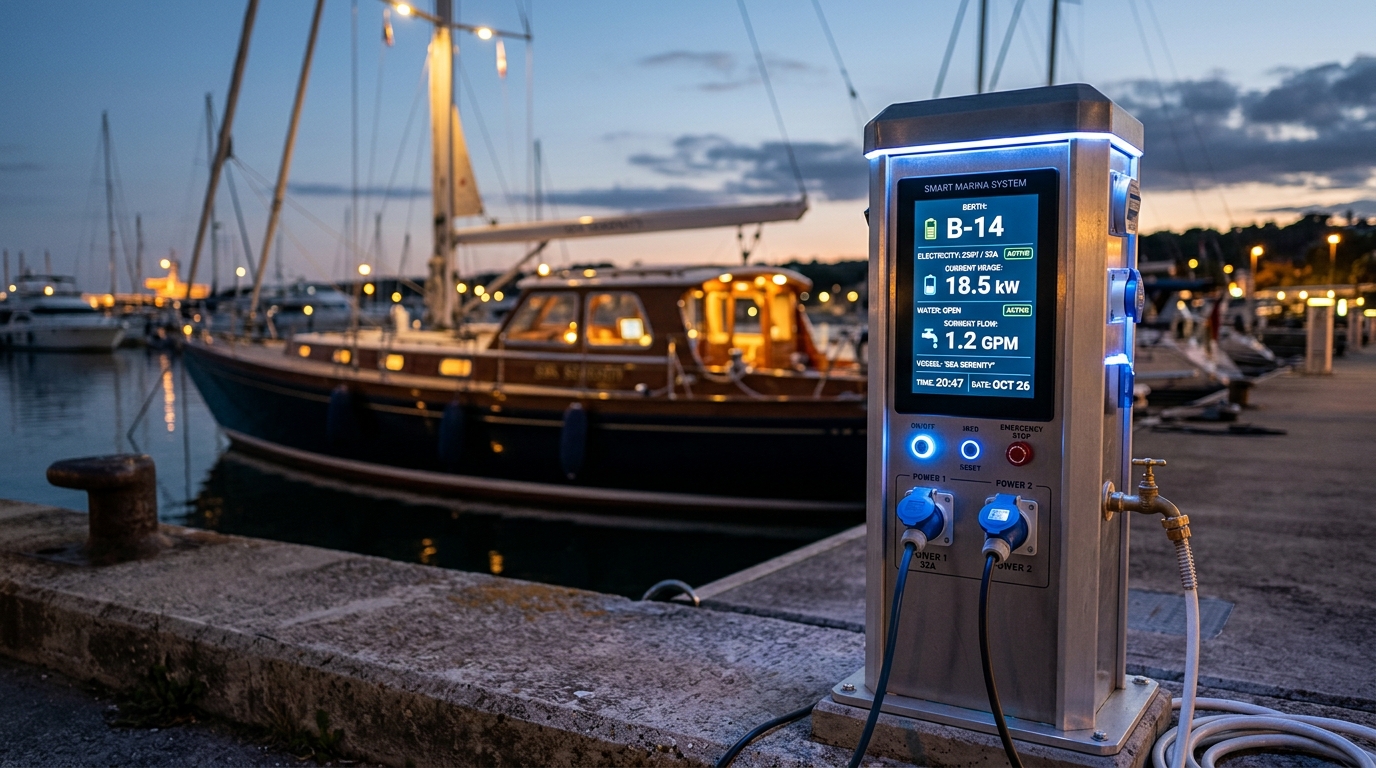
Consider the integration of smart utility pedestals. Historically, marina staff had to manually read water and electric meters for every visiting vessel, a tedious process prone to transcription errors. Today, smart pedestals automatically track utility consumption and sync the data directly to the boater's digital invoice via the booking platform. When a vessel checks out, the system calculates the exact usage and charges the card on file, completely eliminating manual billing tasks.
AI-driven dynamic pricing is another game-changing innovation. Much like the airline and hospitality industries, smart marinas can now utilize machine learning algorithms to adjust slip rates in real-time. By analyzing local weather forecasts, historic occupancy trends, regional boating events, and seasonal demand, the software can automatically adjust pricing to maximize yield during peak times and incentivize bookings during slower shoulder seasons. This level of automation ensures that marina operators never leave money on the table while offering competitive, market-driven rates to boaters.
Actionable Roadmap for Marina Operators and Private Dock Owners
Transitioning from legacy systems to a smart, automated ecosystem can seem daunting. However, implementing modern technology can be achieved through a structured, step-by-step approach designed to minimize disruption to daily operations.
Step 1: Audit Your Current Infrastructure
Before adopting new software, conduct a thorough assessment of your physical assets and current processes. Measure all slips accurately (including depth at low tide and maximum beam), map out your electrical capacities, and identify your primary operational bottlenecks. Are your staff spending too much time answering phone inquiries? Are you experiencing billing discrepancies with utilities?
Step 2: Choose an Open, API-First Platform
When selecting your management software, avoid closed, proprietary systems that do not integrate with other tools. Opt for an open, cloud-based platform like Marina Match that offers robust API integrations. This allows your booking platform to communicate seamlessly with your accounting software, gate access control systems, point-of-sale terminals, and smart utility pedestals.
Step 3: Digitize and Automate Your Workflows
Once your software is configured, migrate your manual processes to digital workflows. Enable automated booking confirmations, digital signing for dockage agreements, and automated arrival instructions. By automating these repetitive administrative tasks, your staff can step away from the desk and focus on delivering exceptional, hands-on customer service on the docks.
Step 4: Leverage the Global Network
Whether you manage a 500-slip commercial marina or offer a single boat dock rental behind your home, visibility is key to maximizing occupancy. By listing your inventory on a global network, you expose your brand to thousands of active boaters who are planning voyages and searching for reliable dockage. This network effect drives consistent traffic and secures bookings that would otherwise be lost to obscurity.
Frequently Asked Questions
What is the difference between commercial marina software and private dock rental platforms?
Commercial marina software typically focuses on complex operational tasks, such as slip mapping, long-term contract management, commercial billing, and utility tracking. Private dock rental platforms focus on peer-to-peer marketing, basic calendar management, and simplified payment processing. Modern networks like Marina Match bridge this gap by offering a comprehensive platform that services both high-volume commercial marinas and individual private dock owners within a single, integrated ecosystem.
How does smart marina technology improve security?
Smart marina technology enhances security through integrated digital access controls, IoT cameras, and automated guest verification. When a boater books a slip, the software can generate a temporary digital access key code that is only valid for the duration of their stay. This prevents unauthorized access to the docks and provides operators with a real-time digital log of who enters and exits the facility.
Can I list my private dock for rental if I only have a small slip?
Absolutely. Boaters operate vessels of all shapes and sizes, from small personal watercraft and center consoles to massive motor yachts. There is a constant demand for private berth rental spaces of all dimensions. Smaller slips are highly sought after by local anglers, day-trippers, and owners of runabouts who prefer the convenience of in-water storage over trailering their boats.
How do automated utility readings work?
Automated utility systems utilize IoT-enabled smart pedestals installed at each slip. These pedestals measure electricity and water flow electronically and transmit this data wirelessly to the central management software. The software matches the consumption data with the specific boat checked into that slip, automatically adding the exact utility costs to their final bill upon checkout.
Conclusion: Charting a Smarter Course with Marina Match
The digitization of the marine industry is not a passing trend; it is a fundamental shift in how the waterfront operates. As the global demand for dockage continues to rise, relying on manual processes and fragmented systems is no longer a viable business strategy. Embracing automated marina booking software, smart IoT integrations, and dynamic pricing is the key to unlocking hidden revenue, streamlining daily operations, and delivering the premium experience that modern boaters expect.
Whether you are a commercial marina manager looking to optimize your slip utilization and automate your billing, or a waterfront homeowner wanting to monetize an empty dock through a secure boat dock rental program, Marina Match is your ultimate partner on the water. By joining our growing global network, you gain access to cutting-edge technology, powerful automation tools, and a passionate community of boaters searching for their next destination. Discover how easy smart marina management can be—visit Marina Match today and list your space or book your next slip with absolute confidence.
Do you run a marina or own a berth?
Reach boat owners searching for berths. Listing is free.
Recent Blogs

February 6, 2026
Gateways to the Sea and Engines of Coastal Life
July 4, 2025
Boating Routes Along the East Coast You Need to Try